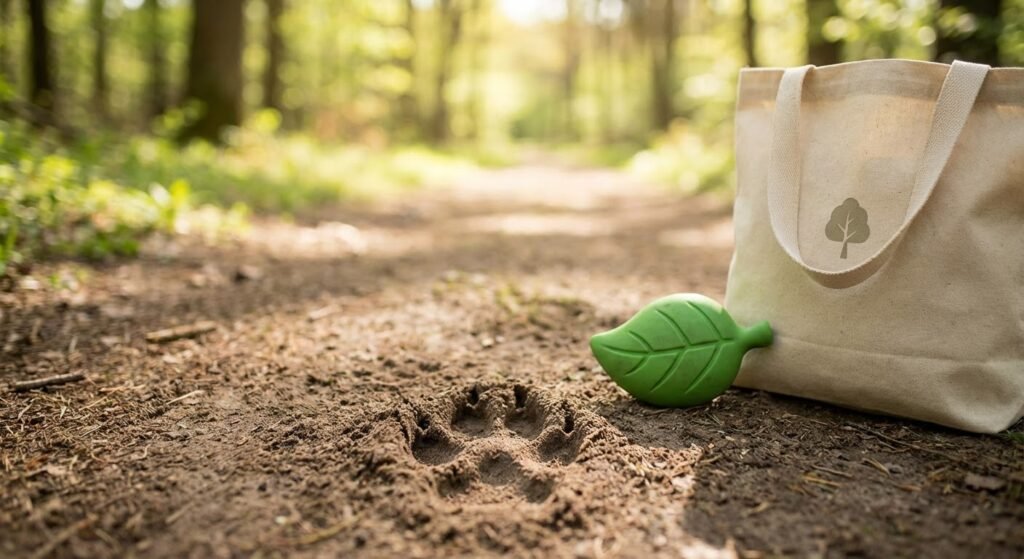
How to Actually Reduce Your Dog’s Carbon Pawprint
Our dogs are so much more than pets. They’re our family, our hiking partners, and often the best part of our day. But as we head into 2026, it’s getting harder to ignore the environmental footprint they leave behind. Between the meat-heavy diets and the never-ending stream of plastic toys, our furry friends have a surprisingly large impact on the planet. If you’ve been feeling a bit of “eco-guilt” while picking up a plastic toy at the store, you’re in the right place. This guide is all about finding a balance—giving your pup a great life while being a little kinder to the earth.
Common Mistakes in Sustainable Dog Care
I’ve noticed that even the most well-meaning dog owners often fall into “greenwashing” traps. It’s easy to do when every brand is slapping a leaf logo on their packaging. Here are a few things to watch out for:
- The “Biodegradable” Trap: To be honest, most bags labeled “biodegradable” won’t actually break down in a landfill. They need industrial heat. Without it, they just sit there for decades.
- The “New is Always Better” Mindset: Buying a brand-new “eco-friendly” bed when your dog’s current one is perfectly fine actually creates more waste. The most sustainable item is the one you already own.
- Ignoring the Shipping Footprint: A natural hemp toy isn’t very green if it’s flown halfway around the world in three layers of bubble wrap. Look for local makers whenever you can.
Optimizing the Diet: Small Changes, Big Results
The food bowl is where you can make the biggest difference. Traditional livestock farming is resource-heavy, but you don’t have to turn your dog into a total vegetarian to help.
1. Explore Insect Proteins
It sounds a bit strange at first, I know. But Black Soldier Fly Larvae are a nutritional powerhouse. They use 90% less land than beef and provide all the amino acids your dog needs. Plus, many dogs with allergies actually do better on it.
2. The “Flexitarian” Approach
You don’t have to go all-in overnight. Even replacing a quarter of their beef-based kibble with an upcycled plant-based or insect topper makes a massive dent in their carbon footprint over a year.
DIY: The Ultimate Zero-Waste Hack
One thing I’ve started doing is looking at my own “trash” before heading to the pet store. Do you have an old t-shirt that’s seen better days? Don’t toss it. You can braid it into a tough-as-nails tug toy in about five minutes. It’s free, it smells like you (which your dog will love), and it keeps textiles out of the landfill. It’s these little shifts in mindset that really add up over time.
Sustainable vs. Conventional Care
When you compare the two, the differences are pretty stark. Here is a quick breakdown of what we call the “Plapet Standard.”
| Feature | Conventional Care | Sustainable Choice |
|---|---|---|
| Protein | Factory-farmed beef | Insects or upcycled fish |
| Toys | Cheap PVC plastic | Hemp or natural rubber |
| Waste | Plastic bag to landfill | Home-compostable options |
The Hidden Impact of Grooming
We don’t often think about the bathtub as a source of pollution, but the chemicals in many dog shampoos can be pretty harsh. In fact, many synthetic scents are linked to phthalates which aren’t great for the water supply—or your dog’s skin. I’ve found that switching to an enzyme-based, plastic-free shampoo bar is a game-changer. It lasts longer, there’s no bottle to throw away, and it leaves the coat looking just as shiny.
Planet-Friendly Swaps You Can Make Today
If you’re ready to upgrade your gear, these are the swaps that actually matter:
🌱 Swap Nylon for Hemp: Nylon is basically just plastic. Hemp, on the other hand, is carbon-negative and naturally antimicrobial. It doesn’t get that “wet dog smell” even after a trip to the creek.
🌱 Swap Virgin Poly-fill for Recycled Wool: Most dog beds are stuffed with new polyester. Look for beds filled with recycled ocean plastic or wool. Wool is a fantastic natural insulator and is fully compostable at the end of its life.
The Eco-Friendly Buying Guide: What to Look For
When you’re browsing the aisles, keep these flags in mind. It’ll save you money and keep your pup safe.
Check the Certifications
Look for GOTS (Global Organic Textile Standard) for fabrics and TUV Austria for anything claiming to be compostable. If it just says “green” without a certification, it’s probably just marketing fluff.
Prioritize Monomaterials
Items made from a single material—like 100% natural rubber—are much easier to recycle than things made from five different types of plastic and glue. Simplicity is your friend here.
Common Questions About Sustainable Pet Ownership
Is it more sustainable to feed my dog a vegan diet?
It certainly has a lower carbon footprint, but it can be tricky to get right. Dogs need specific nutrients like taurine. Most experts I’ve talked to suggest insect protein as a safer, highly sustainable middle ground if you aren’t working directly with a nutritionist.
Can I really compost dog waste?
Yes, but please don’t put it in your vegetable garden. Use a dedicated pet waste digester. It’s a great way to keep plastic bags out of the landfill while nourishing your ornamental flowers.
What is the best material for dog toys?
Natural rubber and hemp are the gold standards. They’re durable, non-toxic, and won’t leave microplastics all over your living room floor when your dog starts chewing.
Leading the Pack Forward
At the end of the day, reducing your dog’s carbon pawprint isn’t about being perfect. It’s about making one or two better choices each month. Whether that’s switching your poop bags or trying out a new insect-based treat, you’re helping ensure that the trails and parks our dogs love stay healthy for years to come. One paw at a time, we can definitely make a difference.