The Hidden Reality of Playtime
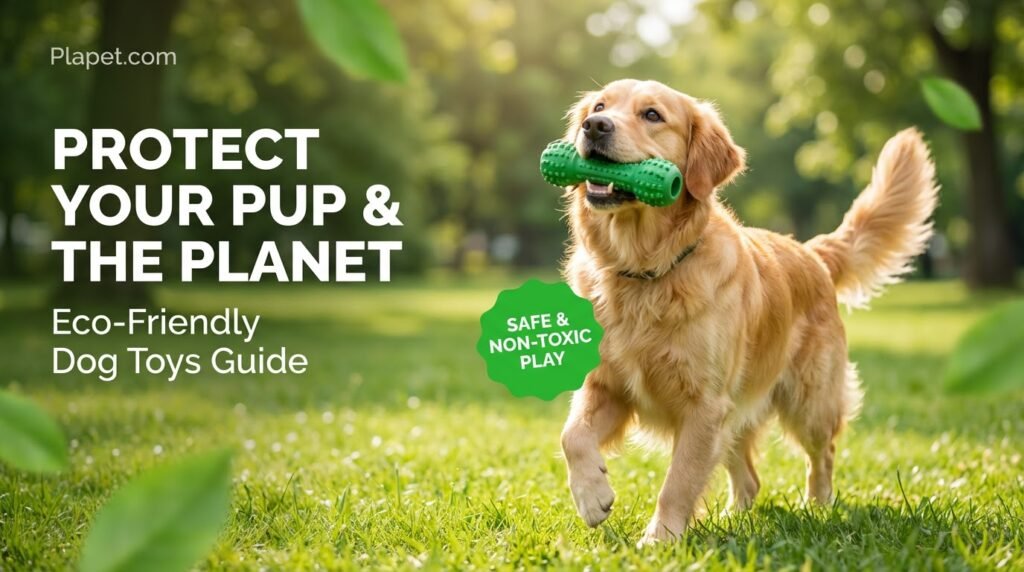
Think about the last time your dog got a new toy. They didn’t just look at it; they tasted it, chewed it, and probably tried to dismantle it. To be honest, we often obsess over the ingredients in their kibble while completely ignoring what their toys are made of. Most conventional playthings are essentially petroleum products shaped into bones and balls. They leach chemicals and, eventually, sit in a landfill for hundreds of years. Switching to eco friendly dog toys isn’t just about being a “green” consumer; it’s a necessary pivot for your dog’s health and the planet they run on.
In this guide, we’re going to cut through the marketing noise. We’ll look at what makes a toy truly sustainable and how to find non toxic dog toys that can actually survive a determined chewer.
The True Impact: Why Material Matters
Choosing a toy is a three-way investment: in health, the environment, and your wallet. One thing I’ve noticed is that the cheapest toys often end up being the most expensive over time because you’re replacing them every week.
1. Avoiding the Chemical Cocktail
Standard plastic toys are often loaded with phthalates and BPA. Since dogs explore with their mouths, these toxins have a direct route into their systems. Opting for safe chew toys for dogs made from natural fibers or food-grade materials ensures that play stays safe.
2. Shrinking the Paw-Print
The pet industry creates a staggering amount of waste. By choosing biodegradable dog toys or those made from recycled ocean plastics, we stop adding to the pile and start supporting a circular economy.
3. Durability as Sustainability
Eco-friendly doesn’t mean weak. In fact, natural rubber dog toys are frequently much tougher than synthetic ones. Buying one solid toy that lasts a year is far better for the earth than buying twelve plastic ones that shatter in minutes.
The “Sniff Test” and Other Personal Observations
Have you ever opened a new dog toy and been hit by a smell that reminds you of a tire factory? That’s a major red flag. In my experience, high-quality, sustainable toys usually have a neutral scent or, in the case of natural rubber, a very faint, milky smell. If it smells like heavy chemicals, it’s probably leaching them. It’s a simple observation, but it’s one of the most reliable ways to gauge quality before your dog even touches it.
Gold-Standard Materials for Conscious Owners
Don’t just trust a “green” label. Look for these specific materials to ensure you’re getting the real deal:
- Natural Rubber: Sourced from Hevea trees. It’s carbon-neutral, incredibly bouncy, and toxin-free.
- Hemp Fiber: A miracle crop. It grows fast with little water and makes for a naturally antibacterial rope that helps clean teeth.
- Recycled Polyester (RPET): This turns old water bottles into soft plush toys. It’s a great way to repurpose existing waste.
- Rice Husk Rubber: A clever use of agricultural byproduct that creates a durable, non-toxic chew material.
Smart Swaps: Trading Junk for Quality
Replacing common toys with sustainable alternatives is easier than you might think. Here’s how to upgrade your dog’s toy box:
- Ditch the Neon Tennis Ball: Most use abrasive glue and synthetic felt. Swap it for a solid natural rubber ball.
- Replace Nylon Bones: These can shed microplastics. Try a coffee wood chew or a 100% natural rubber chew instead.
- Upgrade Your Rope: Swap synthetic poly-ropes for 100% organic hemp. It’s safer if a few strands are swallowed and far more durable.
DIY Eco-Friendly Fun
If you’re feeling resourceful, you don’t always need to buy something new. One thing I love to do is upcycle old 100% cotton t-shirts into braided tug toys. It gives a second life to your clothing and provides a scent-familiar toy for your pup. Just make sure the fabric is natural and you supervise their play to ensure they don’t ingest any large pieces. It’s a simple, zero-cost way to be more sustainable.
Maintenance: Making Your Eco-Toys Last
Natural materials need a bit of different care compared to plastic. To keep things hygienic without ruining the toy, follow these steps:
1. Cleaning Rubber
Hand wash with warm water and a mild, plant-based soap. Avoid the dishwasher; the extreme heat can break down the natural proteins in the rubber, making it brittle over time.
2. Refreshing Ropes
Hemp and cotton ropes can usually go in the washing machine on a cold cycle. Always air dry them—the dryer’s high heat can shrink and weaken natural fibers.
3. The Rotation Trick
Actually, one of the best ways to preserve a toy is to not leave it out. By rotating through a few toys every few days, you keep the novelty high and the constant chewing low. It prevents “boredom destruction.”
Comparison: Natural vs. Conventional
| Feature | Natural Rubber/Hemp | PVC / Vinyl / Nylon |
|---|---|---|
| Toxicity | Low to Zero | High Potential |
| Durability | Very High | Moderate to Low |
| Environment | Biodegradable / Compostable | Landfill-bound |
Common Pitfalls to Avoid
Even with the best intentions, it’s easy to get tripped up by “greenwashing.” Here are a few things to watch out for:
- Vague “Natural” Claims: If a brand doesn’t specify what the material is (e.g., “100% GOTS Organic Cotton”), it might just be a marketing tactic.
- The Hidden Squeaker: Many eco-friendly plushies still use a plastic squeaker inside. While it’s hard to avoid, some brands are now moving toward recyclable versions or omitting them entirely.
- Size Mismatch: An eco-friendly toy that’s too small is a choking hazard. Safety should always come before sustainability.
Frequently Asked Questions
Are eco-friendly toys actually durable?
In many cases, yes. Natural rubber is incredibly resilient and has more “give” than hard plastic, which prevents it from snapping. However, no toy is indestructible—match the toy to your dog’s specific chewing style.
Why are these toys more expensive?
You’re paying for better raw materials and fair labor. While the price at the register is higher, the cost-per-use is often lower because they last longer and keep your dog away from potential toxins.
Can I compost my dog’s old rope toy?
If it’s 100% hemp or organic cotton and you’ve cleaned off the slobber, yes! Just cut it into smaller pieces to help it break down faster in your compost bin.
Final Thoughts: Join the Galactic Pack
Moving toward eco friendly dog toys is a small but powerful way to care for your dog. It’s about looking at the long-term health of our pets and the world they love to explore. At Plapet, we’re here to help you navigate these choices without the fluff. Let’s make playtime better for everyone.
Ready to upgrade your dog’s play? Check out our curated selection or take our “Chew-Type” quiz to find the perfect match for your pup. Welcome to a cleaner, safer future for our four-legged friends.